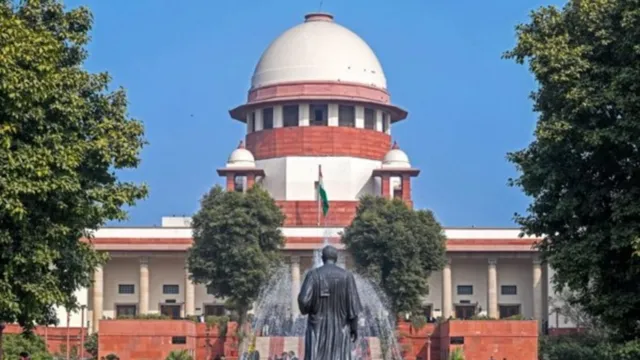
Are the top guardians of Indian democracy finally coming under the legal scanner? In a move that has sent shockwaves through the political corridors of New Delhi, the Supreme Court of India has officially intervened in the controversial issue of 'blanket immunity' for election officials. If you value the transparency of your vote, this legal battle could redefine how elections are managed in India forever.
The Constitutional Challenge in the Apex Court The Supreme Court has issued a formal notice to the Central Government and the Election Commission of India (ECI). This action comes in response to a petition challenging the absolute legal protection currently enjoyed by the Chief Election Commissioner (CEC) and other Election Commissioners. The core of the dispute lies in whether these high-ranking officials should be immune from criminal proceedings and legal accountability during their tenure.
Understanding Blanket Immunity and the Controversy Blanket immunity refers to the statutory protection that prevents legal action or prosecution against election commissioners for decisions made in their official capacity. Critics argue that such absolute protection could lead to a lack of accountability, while the government has historically maintained that it is necessary to protect officials from politically motivated litigation. The Supreme Court's decision to seek a response indicates that the judiciary is ready to examine the constitutional validity of this shield.
| Key Milestone | Date / Status | Authority Involved |
|---|---|---|
| Petition Filed | November 2026 | Supreme Court |
| Notice Issued | November 4, 2026 | Central Govt & ECI |
| Response Deadline | Pending | Ministry of Law |
| Core Issue | Blanket Immunity | Election Commission |
Why This Matters for Every Indian Voter This is not just a legal technicality; it is about the integrity of the Lok Sabha and Vidhan Sabha elections. If the Supreme Court decides to curtail this immunity, it could mean: - Increased Accountability: Election officials could be held legally responsible for procedural lapses. - Greater Transparency: Decisions regarding voter list purges or poll schedules could face stricter judicial scrutiny. - Institutional Reform: A potential overhaul of the appointment and protection laws for the ECI.
What Happens Next? The Central Government and the ECI must now file their official responses explaining the legal necessity of this immunity. The nation awaits to see if the highest court will strip away the protective layer that has surrounded the Election Commission for decades. Any change in this law will have a direct impact on how future elections are conducted across the country.
What do you think? Should the CEC have total immunity or should they be legally accountable? Tell us in the comments below or share this urgent alert immediately on WhatsApp!