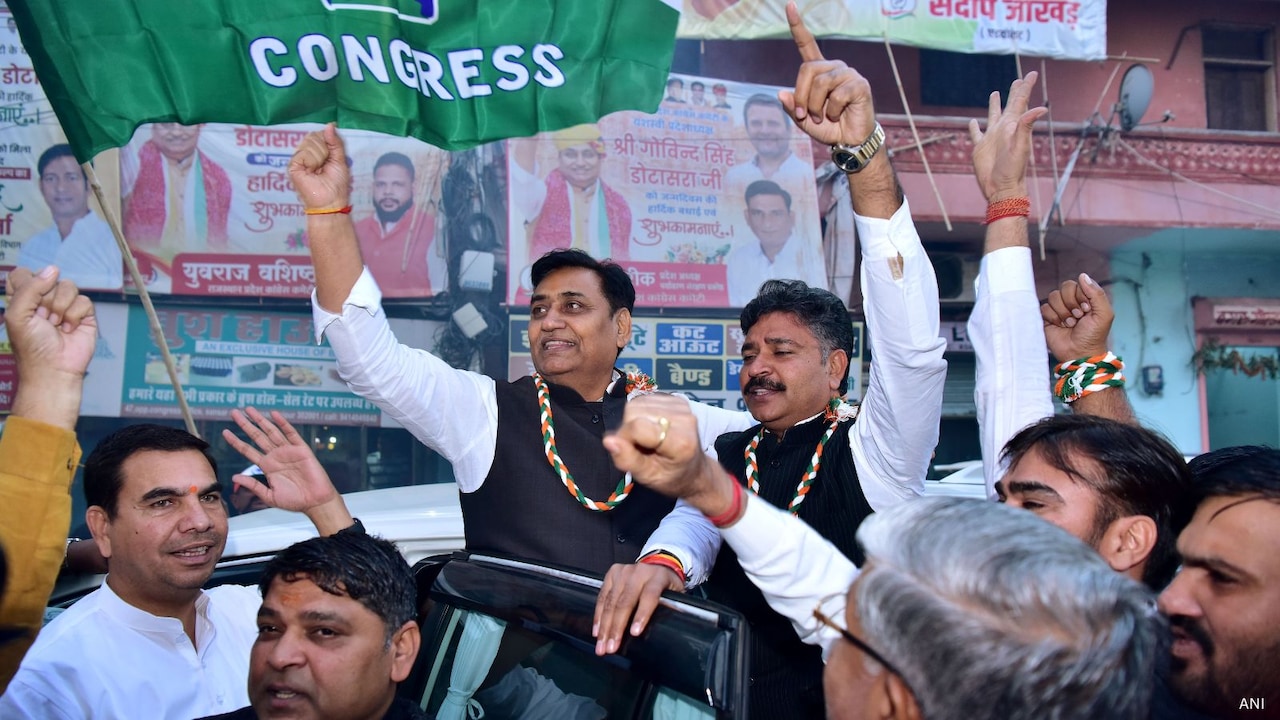
The results of the recent rural local body elections in Rajasthan have revealed a challenging political landscape for the ruling Bharatiya Janata Party. Analysis of the electoral outcomes indicates a marked anti-incumbency sentiment directed specifically at sitting cabinet members within the state.
Impact on State Leadership As rural constituencies across various districts finalized their counts on November 21, 2026, the data suggests that local voters are seeking significant shifts in representation. While the elections focused on grassroots governance, the performance of candidates aligned with incumbent ministers has become a critical indicator of public dissatisfaction.
Understanding the Electoral Shift The electoral results underscore a disconnect between government policy implementation and rural voter expectations. This trend marks a pivotal moment for the state cabinet as they assess their outreach and governance strategies moving forward. Political analysts are closely monitoring these results to understand the potential implications for future legislative cycles.
| Feature | Details |
|---|---|
| Election Level | Rural Local Bodies |
| State | Rajasthan |
| Result Declaration | November 21, 2026 |
| Key Political Trend | Anti-incumbency sentiment |
| Primary Affected | Sitting Cabinet Members |
What This Means for Voters For citizens in rural Rajasthan, these results represent a demand for greater accountability and localized development focus. The shift in voter preference highlights the importance of the panchayat and local government level in setting the political temperature of the state. As the ruling party processes these outcomes, residents should look for potential adjustments in rural development schemes and local governance priorities.
Stay tuned to JANMAT Digital for further updates as local administrative bodies finalize the restructuring process following these election results. We encourage all citizens to participate in upcoming civic engagement programs to help shape the future of their local governance.