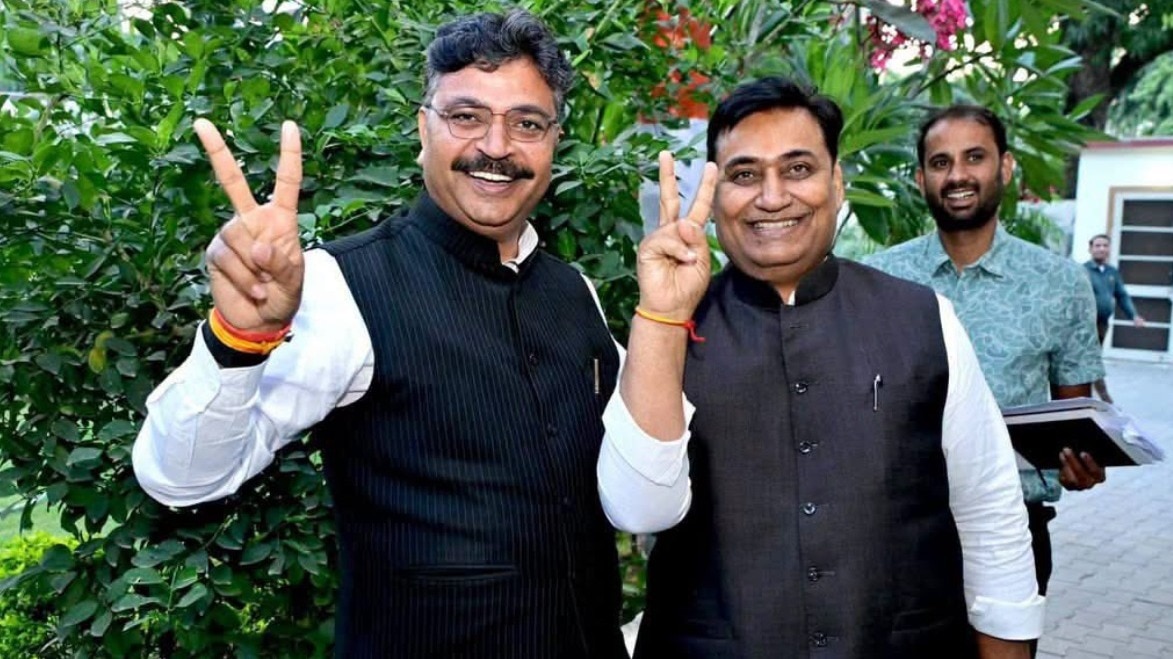
The Rajasthan Panchayat election results, officially declared on November 20, 2026, highlight a notable shift in the state's rural political landscape. While the Indian National Congress has secured a significant lead in both Zila Parishad and Panchayat Samiti segments, the performance of smaller regional parties and independent candidates marks a departure from traditional bipolar electoral outcomes.
Shifting Dynamics in Rural Rajasthan
The election data indicates that the electoral influence is no longer confined to the two dominant national parties. Regional players such as the Rashtriya Loktantrik Party (RLP) and the Bharat Adivasi Party (BAP) have successfully captured seats across multiple districts. This emergence suggests a changing voter preference towards localized representation at the grassroots level.
The Role of Independent Candidates
Independent candidates have emerged as decisive actors in various constituencies, significantly impacting the final tally. Their role in determining outcomes has been highlighted in several regions where narrow margins defined the winner. This trend points to a growing engagement of local leaders who operate outside the established party frameworks.
Key Election Outcomes Overview
| Feature | Observation |
|---|---|
| Election Event | Rajasthan Panchayat Elections 2026 |
| Results Declared | November 20, 2026 |
| Major Lead | Indian National Congress |
| Emerging Players | RLP, BAP, and Independents |
| Strategic Impact | Significant influence of third parties |
What This Means for Local Governance
The success of diverse political factions in these elections will likely necessitate new coalition-building strategies at the Zila Parishad level. As per the updates reported by Aaj Tak, this rural mandate reflects a more fragmented but competitive political environment. Stakeholders and citizens are encouraged to monitor the upcoming leadership formation processes in their respective Panchayat Samitis to understand how these new alliances will shape local policy implementation.