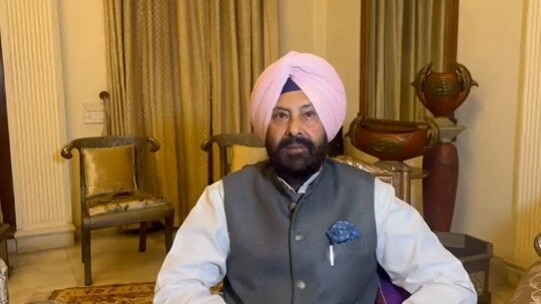
The Punjab unit of the Bharatiya Janata Party (BJP) has launched a strategic public initiative to crowdsource suggestions for its forthcoming election manifesto. The move aims to incorporate direct feedback from citizens into the party's policy platform ahead of the next state assembly elections.
Engaging Citizens for Policy Formulation
To facilitate this outreach, the party has released three specific telephone numbers and a dedicated QR code. This digital infrastructure allows voters across Punjab to submit their concerns, expectations, and policy suggestions directly to the party leadership. The initiative signals a focus on addressing grassroots issues through a structured public engagement process.
Criticism of Current Governance
During the announcement on November 22, 2026, party leader Kewal Singh Dhillon articulated the BJP’s critique of the ruling Aam Aadmi Party (AAP) government. Dhillon highlighted critical areas of concern including the state's law and order situation, the prevalence of drugs, the rise of gang culture, and the state's escalating public debt. He stated, "Government has ruined Punjab during its tenure," framing the upcoming election as a referendum on these administrative failures.
Strategic Focus Areas
| Focus Area | Objective |
|---|---|
| Public Feedback | Collect citizen input via phone and QR code |
| Governance Review | Addressing law and order and drug issues |
| Economic Strategy | Tackling the rising state debt burden |
| Political Positioning | Leveraging anti-incumbency against the AAP |
Next Steps for Voters
Citizens interested in participating in this initiative can utilize the official communication channels provided by the Punjab BJP. By gathering data directly from the public, the party aims to refine its electoral narrative and present a policy framework that contrasts with the current administration’s performance. Voters are encouraged to stay tuned to official party platforms for further updates on the election process and finalization of manifesto priorities. Please share this information with your community to ensure active civic participation in the democratic process.