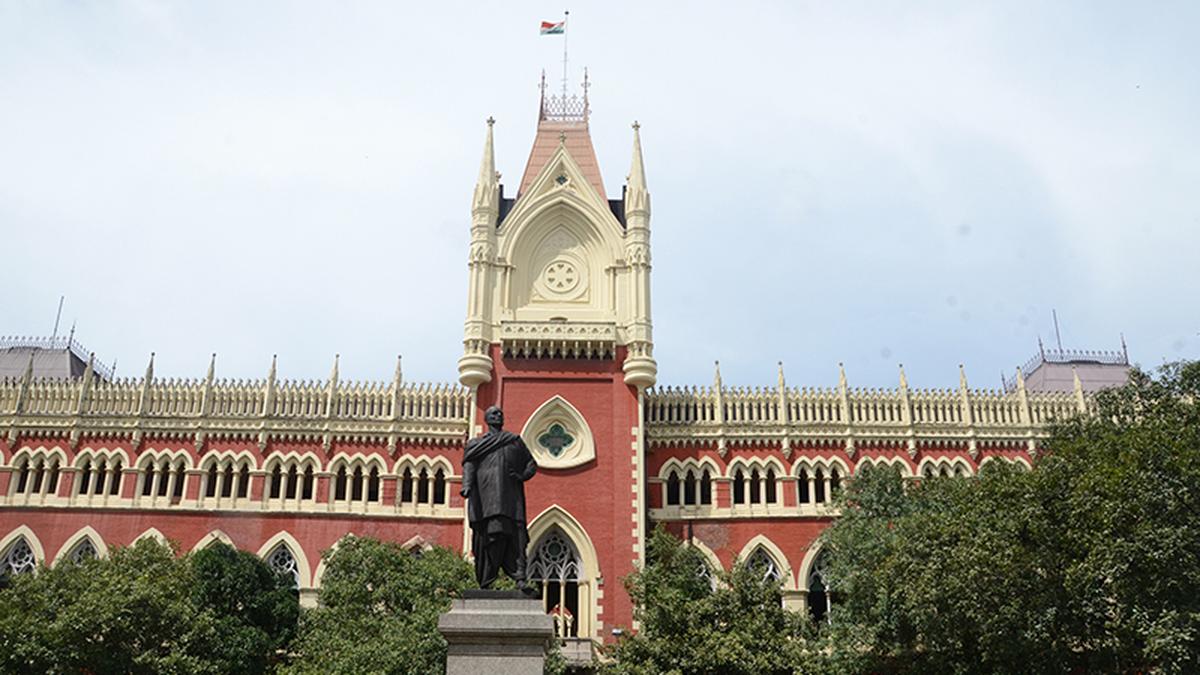
The Calcutta High Court has officially concluded criminal contempt proceedings initiated against Trinamool Congress leader Abhishek Banerjee. While presiding over the matter, the court observed that although the remarks made by the political leader were considered painful, they did not meet the legal threshold for criminal contempt.
The Judicial Verdict On November 20, 2026, the Calcutta High Court bench delivered its final order regarding the case. Justice Krishna Rao, who had previously initiated the proceedings, presided over the session. The court drew a clear line between political criticism and legal actions that impede the functioning of the judiciary, ultimately deciding that the specific comments did not warrant a contempt conviction.
Timeline of Proceedings The legal scrutiny originated from comments made by Abhishek Banerjee on November 7, 2026. Following these remarks, the judiciary took cognizance of the matter. The timeline of the case is summarized below:
| Event | Date |
|---|---|
| Original Remarks Made | November 7, 2026 |
| Contempt Proceedings Initiated | November 17, 2026 |
| Final Court Order Issued | November 20, 2026 |